

How to Care for Dried Pampas Grass After Buying It

A lot of people assume that dried pampas is indestructible because it doesn't need water. That’s not true at all. While it is low maintenance, a few bad decisions can shorten its lifespan by quite a bit. As a self-proclaimed pampas grass fan, I’ve put together a few tips I’ve learnt over the years about keeping pampas healthy, from the moment it arrives to years down the line.
What to Do Immediately After Receiving Your Dried Pampas Grass
Carefully Unpack the Stems
Cut the packaging tape. Don’t freehand by pulling on it. One rough tug is all takes to snap a stem or crush a plume that would have been perfectly fine otherwise.
Shake Off Loose Fibers Outdoors
After this, take the bunch outdoors. Pampas sheds fine fibers when we first handle it so unless you want to spend time cleaning your room’s floor, take it outside and give it a gentle shake to promote shedding the loose ones.
Allow the Plumes to Naturally Fluff
I know you want it to look like the photo as soon as possible but don't try to shape the plumes right away. Leave the stems upright in a dry corner for a day or two and let them open on their own naturally. If you’re really impatient, a cool hairdryer on the lowest fan setting (not hot, it can damage the plumes) speeds this up nicely.
Choosing the Right Vase for Dried Pampas Grass

Use a Clean, Dry Vase
Make sure your vase is clean and dry before adding the grass. Any water left inside the vase can transfer to the stems and cause mold to grow on the bottom.
Select the Right Height and Shape
-
Floor Vases - Choose a bunch where the stems extend roughly 1.5x the height of the vase above the opening.
-
Tabletop or Console Vases - Here, the plumes should be clearly visible above the rim. If the bunch is sparse, choose a bottle-neck vase and vice versa for a fuller bunch.
Why Water Should Never Be Added
Remember, this is a dried bunch. Adding water is just reversing the process. It’ll make the stems go soft, form mold at the base and make the pampas fall apart at the seams. If there’s one thing you take away from this blog, it is “Don’t add water. Ever.”
Where to Display Dried Pampas Grass
I’ll quickly cover the general requirements of the space here.
-
No Direct Sunlight - Exposure to direct sunlight fades away the natural cream tones of pampas.
-
Areas with Less Footfall - It’s ideal if you can find a place where people won’t brush past it as much since disturbing the plumes can lead to increased shedding.
-
No Humid Areas - Don’t place it near washrooms or kitchens. High humidity in these areas promote stem softening and mold growth.
-
Not Near AC Vents - Cold airflow from the AC causes uneven drying and increases shedding.
If you want suggestions of spaces around the house to keep your pampas, check out my other blog here.
Cleaning and Maintaining Dried Pampas Grass

How to Remove Dust Safely
The easiest and safest way is to take the bunch outside and give it a gentle shake. If it hasn’t been dusted for a while, take a cool hairdryer and set it to the lowest fan speed. This will ensure your plumes don’t get flattened while safely removing the dust. Always avoid damp clothes, sprays or anything that makes your plumes exposed to moisture.
How Often Should You Clean It?
In my experience, once every 2 to 3 months is enough. If it’s in a busier room, set a reminder to check on it once a month and take a call based on how it looks then.
Mistakes to Avoid While Cleaning
-
You should handle your pampas like a baby. Shaking too hard will cause the plumes to shed along with the dust you intended to initially remove.
-
Do not use the high speed or high heat setting in your blow dryer for the plumes. Use only the lowest fan-speed and cool setting.
-
Don't scrub with a wet or dense brush. Use only a wide, soft bristle tool like a blush brush, and sweep softly in the direction of the grain to avoid tearing the fragile stems.
Common Mistakes That Reduce the Lifespan of Pampas Grass
Placing It in Water
Water is the fastest way to ruin your arrangement. As mentioned before, it softens the stems and encourages mold to form at the base. Keep your vase completely dry, always.
Direct Sunlight Exposure
UV exposure fades the cream and beige tones of pampas faster than anything else. It’s worse if your pampas is dyed too. If you want it to be placed in a bright room, opt for indirect lighting spots.
High Humidity
The moisture in kitchens and washrooms soften the plumes over time and encourage mold even without direct contact with water.
Frequent Rearranging
Every time you move the plumes, you risk shedding a few more stems and fibers. Find a good spot and leave it there.
Rough Handling
If you really want to switch up the spots, move both the arrangement and vase together. Moving just the bunch is risky, since the stems are quite delicate.
How Long Does Dried Pampas Grass Last?
Average Lifespan
At Coastal Habitat, we guarantee that your pampas grass will last for at least 365 days with the right basic care. If you follow all practices mentioned above, it may even last 2 to 3 years.
Factors That Affect Longevity
Where you place the pampas matters most here. A dry room with indirect light where the arrangement isn’t disturbed much is the best place.
Signs It's Time to Replace Your Arrangement
-
Flattened plumes which you aren’t able fluff up again
-
Yellowing of the stems
-
Overly delicate plumes that snap when you barely touch them
-
Mold at the base
P.S. Some gentle fading over time is completely normal and doesn't mean the arrangement needs to be replaced.
Styling Tips to Keep Your Pampas Grass Looking Beautiful

Pair It with Ceramic Vases
There’s a reason most pampas grass arrangements you see are placed in hard ceramic vases. Since earthenware and clay sit in the same natural palette as pampas, this pairing comes across as thoughtful and put together. Darker ceramics also add contrast, which work best in minimal spaces.
Mix with Other Dried Flowers
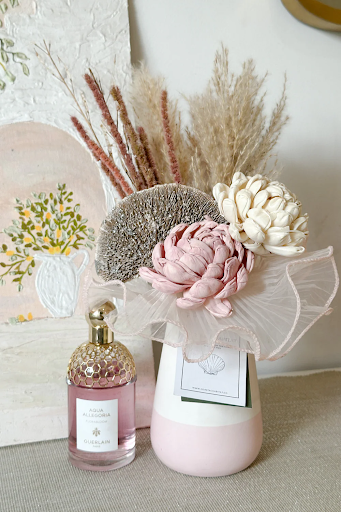
Adding a few stems of dried hydrangeas, bunny tails, shola flowers or palm stems will give the arrangement more texture and body without taking attention away from the pampas. However, make sure all the flowers chosen are in the same palette as the pampas.
Create Seasonal Arrangements
You don’t need to swap your bunches seasonally. Just swap the vase and the decor around it instead. Go with lighter ceramics and linen in summer months, and darker vessels and heavier textures in cooler ones. Your pampas arrangement will read very different depending on what you place around it too, so be mindful about the surrounding decor.
Use Different Stem Heights for a Fuller Look
Uniform stem heights look stale and lacking in personality. Trim some stems shorter than the rest or choose a pre-made bunch by Coastal Habitat, which is arranged to have natural variation, deliberately done to look grown than placed.
Conclusion
The whole point of dried pampas is that it asks almost nothing of you. Just find a good spot and carefully let the plumes bloom when they arrive. Everything I’ve covered in this guide is just about making sure that these first decisions you make are the right ones. In case you’re on the lookout for quality stems, check out Coastal Habitat’s pampas grass collection.
